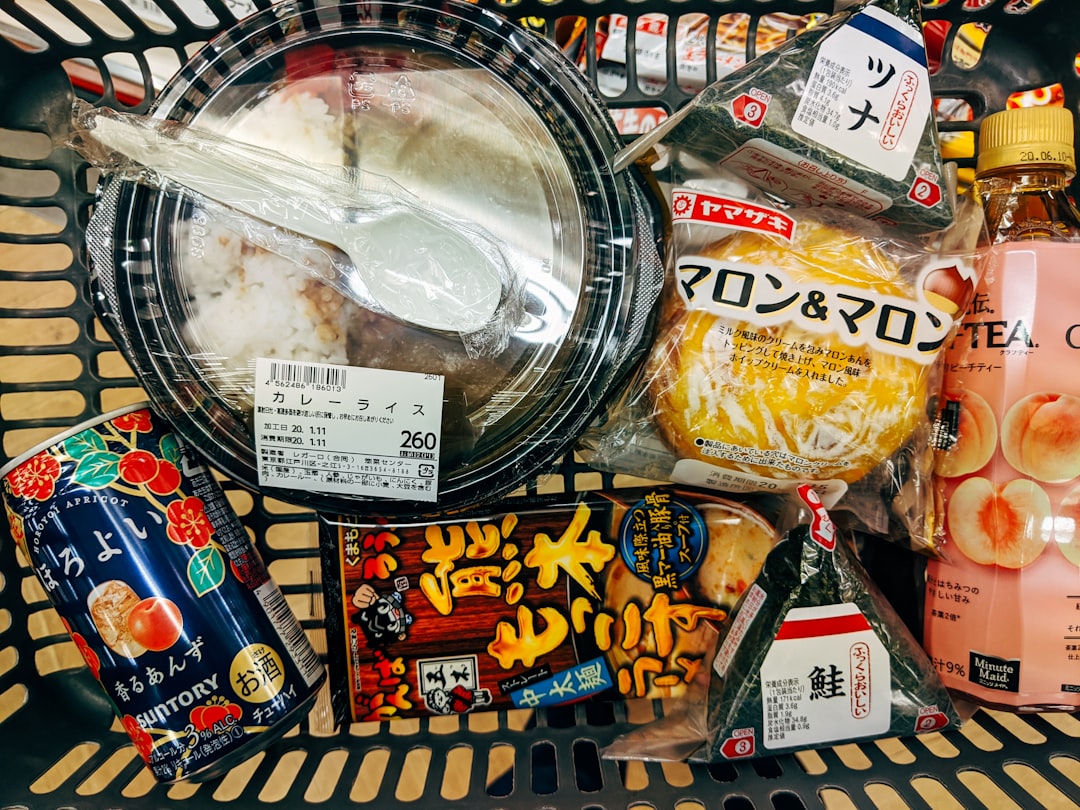
When it comes to budgeting and saving money, grocery bills often take up a significant portion of our monthly expenses. Understanding the psychological factors that influence our shopping behavior can unlock hidden savings, allowing us to spend smarter at local grocery stores. This guide will explore shopping habits, the psychology of consumer choices, and practical tips for uncovering grocery savings. Whether you're looking to slash your grocery bills or discover new budgeting strategies, you're in the right place.
Understanding Consumer Psychology
The way consumers approach shopping can be influenced by numerous psychological factors. By being aware of these influences, you can maneuver through the grocery store with purpose and intent. Here are some of the primary psychological factors at play:
Emotional Triggers
Many people shop based on emotional triggers. Stress, sadness, or even happiness can lead to impulse buying. For instance, you might buy snacks or comfort food to cope with a stressful day. Understanding these triggers is essential for controlling emotional spending at grocery stores. A practical tip is to create a shopping list and stick to it to avoid impulsive purchases. This approach has been proven to significantly reduce unnecessary spending in grocery shopping.
Perception of Value
Another influential factor is how consumers perceive value. Discounts can be highly enticing but often lead to over-purchasing. Many shoppers believe that buying in bulk is always the more economical choice. However, this isn't always true, especially for perishable items. Understanding your actual consumption needs and comparing unit prices can help you find true savings. For more insights on measuring value, check out our guide on comparing unit prices.
Social Influence
Social influence can also dictate how we shop. Seeing others with a product may create a sense of urgency to buy it ourselves. Utilizing this knowledge, we can strategize by shopping during non-peak hours when stores are less crowded. This often leads to a less stressful shopping experience and more rational purchasing decisions.
Budgeting Tips for Grocery Shopping
With an understanding of consumer psychology, let's move on to actionable budgeting tips that can help you maximize savings during your grocery shopping trips.
Create a Grocery Budget
Start by establishing a clear grocery budget. This will help you track spending and encourage mindful shopping. Use budgeting apps to categorize your purchases and identify areas to cut back. Consider setting aside a specific amount each week or month for grocery expenses. This discipline can lead to significant savings. For more on personal finance tips, check out our comprehensive guide on personal finance management.
Plan Your Meals
Meal planning is a strategic way to reduce waste and enhance savings. By creating a weekly meal plan, you can buy only what you need, eliminating impulse purchases. When planning, be sure to include seasonal produce and sales promotions in your grocery list. This not only saves money but also allows for healthier eating habits. For more ideas on meal prepping, refer to our article on meal prepping tips.
Use Coupons and Discounts Wisely
Using coupons effectively can lead to substantial savings. While clipping coupons is a traditional method, digital coupons and grocery apps can offer even greater savings opportunities. Many local stores provide exclusive deals through their apps, meaning you're not just limited to newspaper clippings. Plan your shopping around sales and use coupons for the items you usually buy, ensuring you still get what you need while saving money. Explore our guide on couponing strategies to learn more.
Smart Shopping Techniques
Once you're aware of the techniques and strategies to save, applying them is where the real change happens. Here are some practical shopping techniques to implement during your next grocery trip.
Shop with a List
Creating a shopping list before heading to the store minimizes impulse purchases. Stick to the list and avoid aisles that don’t contain items you planned to buy. Having a physical or digital list keeps your focus on your intended needs and goals. For more on planning your shopping effectively, dive into our article on effective shopping planning.
Understand Store Layouts
Grocery stores are designed strategically to encourage shoppers to buy more. Fresh produce is typically placed at the entrance to create a healthy ambiance. Being mindful of store layouts can help you navigate your shopping trips more effectively and avoid unnecessary purchases of processed items. Always prioritize shopping perimeter areas where fresh, whole foods are located.
Take Advantage of Loyalty Programs
Many local grocery stores offer loyalty programs that deliver the biggest savings on your favorite items. Make sure to sign up for the programs and take advantage of the discounts they offer. Some programs also provide personalized promotions based on your purchasing habits. By leveraging these programs, you can achieve savings that add up over time. For a detailed list of local stores with loyalty programs, visit our page on local loyalty programs.
Embracing Bulk Shopping
Choosing bulk purchases can lead to long-term savings, especially for non-perishable items. However, bulk shopping requires mindful consideration of your consumption habits.
Buy Non-Perishables in Bulk
Purchasing non-perishables like canned goods, pasta, and rice in bulk can offer extensive savings. However, always check your pantry before buying to ensure you’re not overstocking. This not only saves you money but also space in your home. For additional insights on bulk buying, check out our tips on bulk buying advantages.
Check Expiry Dates
Whenever you buy in bulk, be diligent about checking expiry dates. Items with shorter shelf lives should not be purchased in excessive quantities. Make an assessment of your typical consumption will be key in deciding how many items to buy.
Share Bulk Purchases
If you have family or friends who are also looking to save, consider sharing bulk purchases. This way, you can split the cost and still benefit from savings without overbuying. Consider organizing a bulk-buying group in your local community to maximize opportunities.
Seasonal Shopping Tips
Understanding seasonal shopping trends can also greatly influence grocery savings. Eating according to the seasons isn't just healthier, it often saves you money, particularly when buying local produce.
Choose Seasonal Produce
Seasonal produce is often fresher and more affordable, as farmers tend to have a surplus during peak seasons. Visit your local markets or grocery stores to find what’s in season near you. Using resources such as our guide on seasonal produce can help you find items to include in your meals.
Take Advantage of Holiday Sales
Many grocery stores run significant sales during holidays, especially for items like snacks and beverages. Plan holiday gatherings around these promotion periods to ensure savings on bulk items. The benefits potentially extend to your usual grocery shopping if you strategically plan with this information.
Participate in Local Co-ops
Joining a local grocery co-op allows you to buy in bulk and often at substantial discounts. Many co-ops focus on supporting local farms and businesses, which benefits the community while maximizing savings.
Adapting Your Shopping Habits
Lastly, adapting your shopping habits based on what you learn can ensure sustainable savings over the long term.
Evaluate Purchases Regularly
Take the time to evaluate what you purchase regularly and make adjustments as needed. Keep a log of what you spend and where you can lower costs. This continual reflection allows you to tailor your shopping to your changing needs while identifying traps where you might overspend.
Explore Different Stores
Different grocery stores will have varied pricing and selection. If your budget allows, consider shopping at different local grocery stores to identify where the best deals are offered. In your research, don’t forget about online grocery shopping options, which may provide unique offers. Explore our guide on online grocery deals for more insights.
Share Your Findings
Lastly, share your savings tips with friends and family. Not only will this help foster a culture of thrift in your community, but you’ll find that sharing insights can lead to new ideas and opportunities for savings that you hadn't considered.
Conclusion
By harnessing the understanding of consumer psychology and taking proactive steps in budgeting and shopping habits, you can unlock hidden savings at your local grocery store. These strategies not only benefit your wallet but can enhance your community well-being by supporting local stores. Start implementing these tips today, and watch your grocery bill shrink!
Frequently Asked Questions
1. How can I effectively use coupons to save money?
Coupons can be best utilized by matching them with sales events and using them on items you regularly purchase.
2. What is the best way to meal plan?
Begin by organizing your meals for the week ahead, considering what is in your pantry to avoid waste and utilizing sales on seasonal items.
3. Are bulk purchases always a good idea?
Not always. Assess if you will use the items before they expire, especially when dealing with perishables.
4. How can I avoid impulse buys effectively?
Sticking to a shopping list and reflecting on your emotional reasons for shopping can help ease impulse buying.
5. What resources can help me track grocery spending?
Budgeting apps are enhancing in capabilities, allowing for tracking different spending categories, including groceries.
Related Reading
- Your Complete Guide to Personal Finance - Get financial literacy tips to enhance your budgeting skills.
- Mastering Coupons: A Comprehensive Guide - Discover the ins and outs of successful couponing.
- The Seasonal Produce Guide - Learn about which fruits and vegetables are best during each season.
- Planning Effective Grocery Shopping Trips - Tips for making your grocery trips quick and efficient.
- Finding Online Grocery Deals - Explore how to maximize your savings when shopping online.